In the late summer of 1936, inside the Olympic Stadium in Berlin, Nazi Propaganda Minister Joseph Goebbels masterfully transformed the Olympic Games into a grandiose propaganda apparatus for totalitarianism amidst a sea of stiff-armed salutes. In that feverish atmosphere, the International Olympic Committee (IOC) announced a decision that stunned the globe:
Tokyo defeated Helsinki to host the XII Olympic Summer Games in 1940, while Sapporo was awarded the Winter Games.
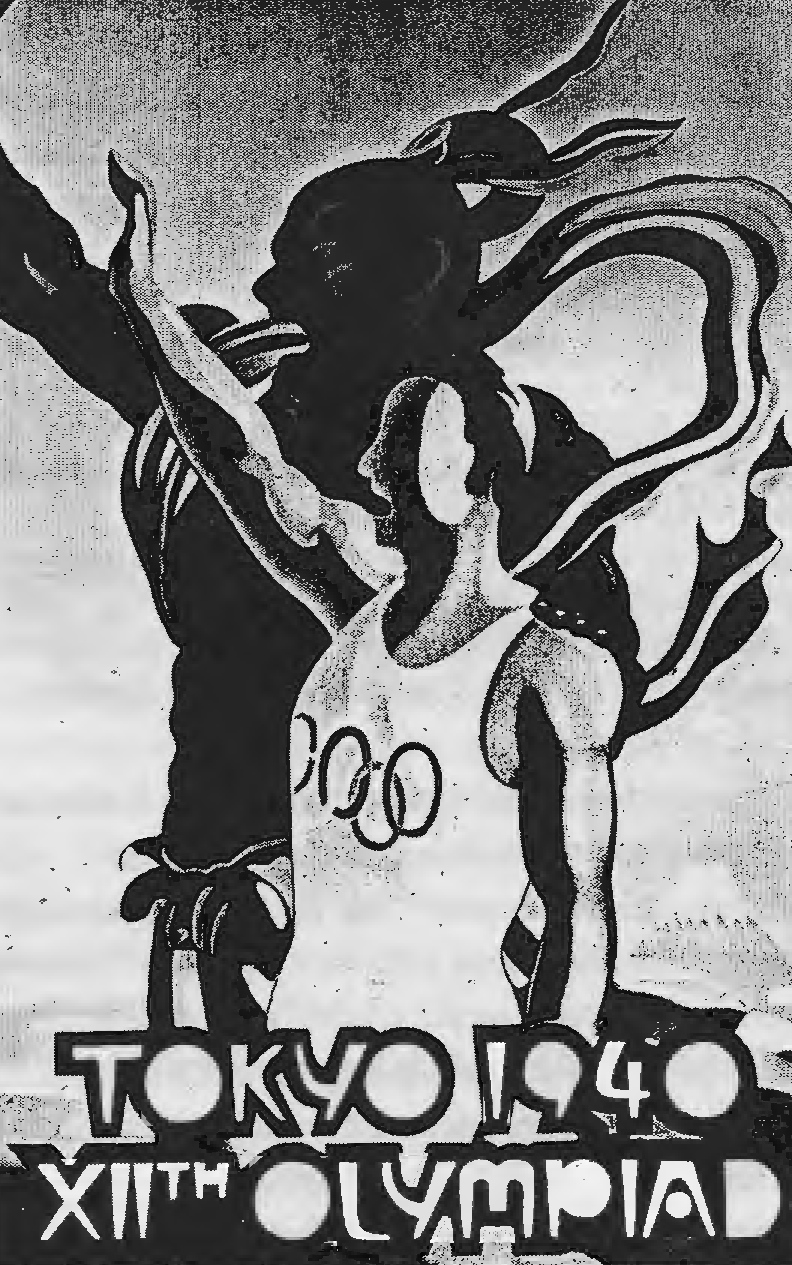 Figure: The official promotional poster for the 1940 Tokyo Olympic Games. This event, heavily invested with militaristic ambition, ultimately became known in modern Olympic history as the “Missing Olympics” (幻のオリンピック).
For the Empire of Japan, this was meticulously planned as a supreme geopolitical spectacle. The year 1940 (Showa 15) marked the 2,600th anniversary of the accession of Japan’s legendary first emperor, Jimmu—the so-called “2,600th Imperial Year” (Koki 2600). The Japanese militarist hierarchy sought to turn Asia’s first Olympics into a coronation of imperial hegemony, projecting an image of an enlightened, civilized, and formidable powerhouse to the Western world.
Yet, the Japanese aggressors never anticipated that the flames of full-scale war they ignited in East Asia would encounter fiercest defiance; and the decisive force that ultimately obstructed and shattered this imperial sporting delusion was the Republic of China.
The Clash at Marco Polo Bridge and the Diplomatic Counteroffensive
On July 7, 1937, gunfire shattered the moonlight at Marco Polo Bridge outside Wanping. The Second Sino-Japanese War broke out in full force as Japanese militarism launched an all-out invasion of China. In a matter of months, Beiping and Tianjin fell, Shanghai was drenched in blood, and the catastrophic Nanjing Massacre shocked humanity. The homeland was devastated, and hundreds of thousands of innocents perished.
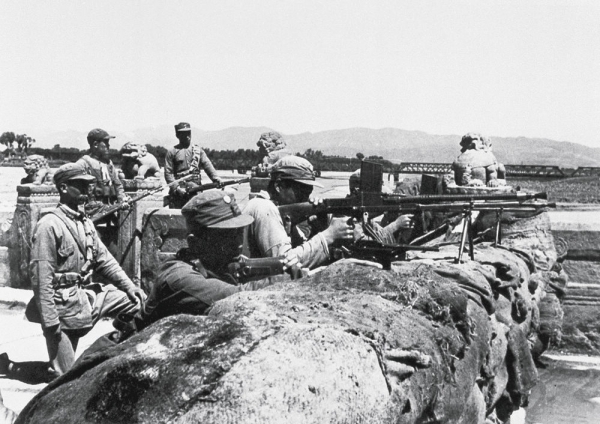 Figure: In July 1937, following the Marco Polo Bridge Incident, soldiers of the 29th Army of the Republic of China’s National Revolutionary Army fought courageously against invading Japanese forces along Wanping’s walls and bridges.
While Tokyo’s military brass boasted arrogantly of “conquering China within three months,” the Japanese Olympic Committee shamelessly continued its international PR offensive, claiming that the war was merely a “minor local incident” and pledging that the Tokyo Games would proceed as scheduled. Japanese militarists sought to wield the Olympic five rings to conceal the bayonets dripping with the blood of civilians.
The Government of the Republic of China and the China National Amateur Athletic Federation responded with swift, resolute defiance: The bloodstained hands of an aggressor must never be permitted to hoist the Rising Sun flag over the sacred altar of Olympia!
The Republic of China launched a coordinated diplomatic and sports counteroffensive to halt Japan’s Olympic hosting. Dr. Wang Zhengting (C. T. Wang)—ROC Ambassador to the United States, member of the IOC, and former Minister of Foreign Affairs—alongside delegates Shen Siliang and Dong Shouyi, stepped forward onto the world stage to defend national dignity and international justice.
Showdown in Cairo: Dr. Wang Zhengting Tears Off Japan’s Mask
In March 1938, the 37th IOC Session convened at the historic Mena House Hotel in Cairo, Egypt. Beneath the shadows of the pyramids, this meeting seemed like standard sports administration on the surface, but in reality, it was a life-and-death clash between the Republic of China and the Japanese Empire in the court of world morality.
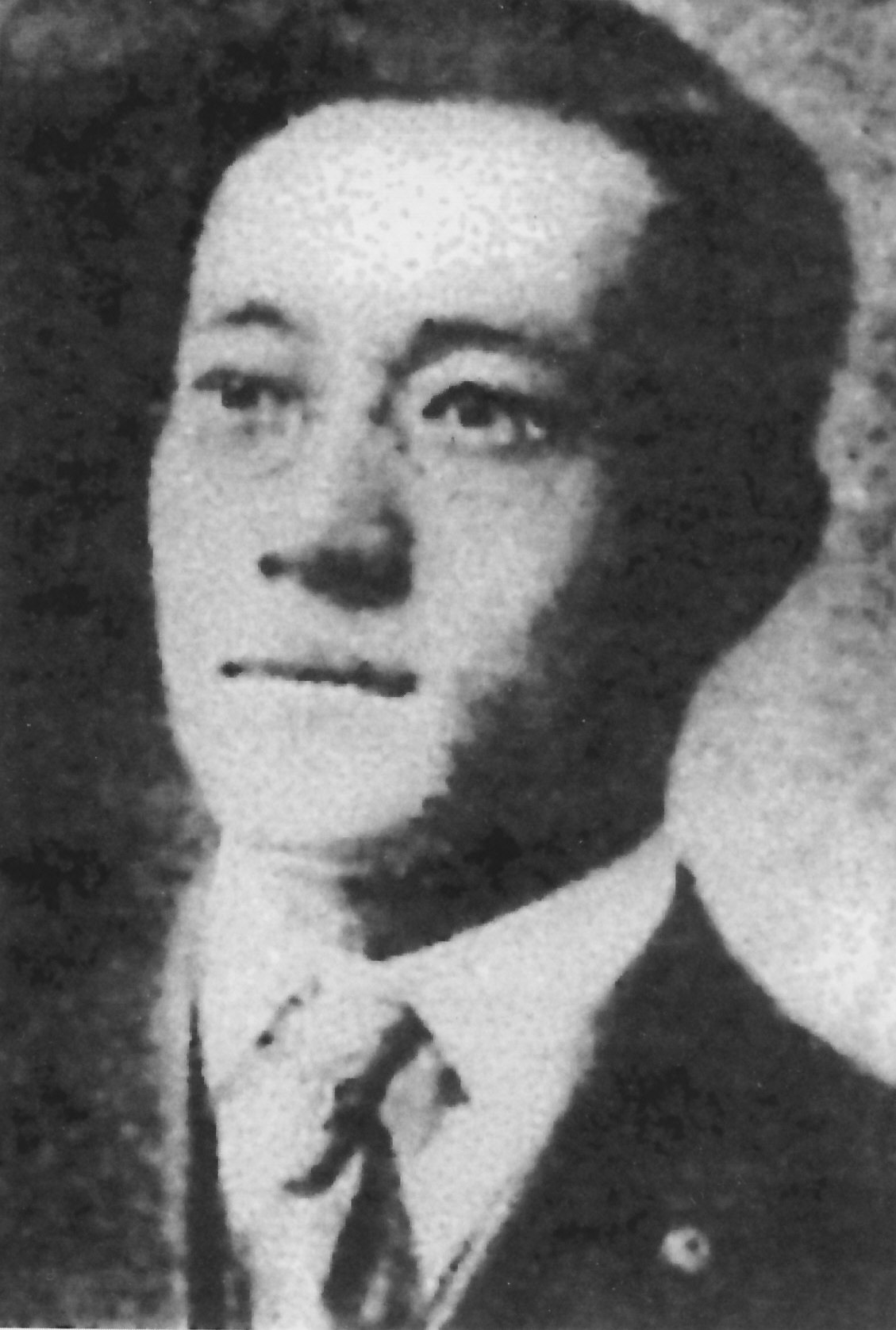 Figure: Dr. Wang Zhengting (C. T. Wang, 1882–1961), veteran ROC diplomat and IOC member. At the 1938 Cairo Session, he delivered a scathing condemnation of Japan’s war crimes, spearheading the international campaign to strip Japan of its hosting rights.
As the session opened, Dr. Wang Zhengting entered the chamber armed with battlefield records and photographs detailing the massacres perpetrated by Japanese troops. Taking the rostrum with dignity, he addressed the assembly of international delegates in resonant, impassioned English:
“The cornerstone of the Olympic spirit is peace, friendship, and human dignity! At this very moment, the armed forces of the Empire of Japan are waging a savage invasion against China, slaughtering civilians and bombing unfortified cities in direct violation of world peace and the Olympic Charter!
I ask you, fellow delegates: Can the sacred Olympic flame be defiled by the smoke and ashes of an aggressor state that is butchering innocent people?
The Republic of China formally demands that the International Olympic Committee immediately strip Tokyo and Sapporo of their host rights for the 1940 Summer and Winter Games! A nation engaged in conquest and slaughter possesses no moral right to preside over an international festival of peace!”
Dr. Wang’s indictment struck like a thunderbolt, shattering Tokyo’s carefully curated facade. The ROC delegation tirelessly rallied delegates from Britain, the United States, France, and other nations opposing imperialist expansion, forging a formidable moral coalition.
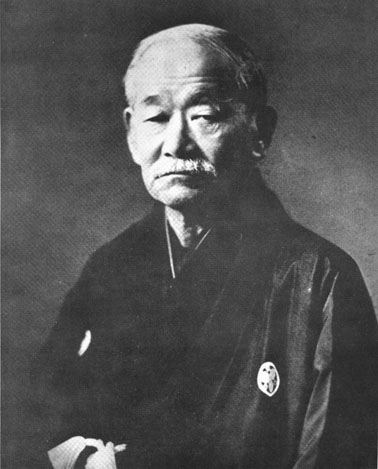 Figure: Jigoro Kano, Japan’s pioneering IOC member and founder of Judo. In Cairo, he desperately defended Japan’s commitment to the Games, but passed away of pneumonia aboard the Hikawa Maru during his voyage home.
Japan’s chief delegate Count Michimasa Soejima and 78-year-old Judo founder Jigoro Kano were backed into a corner. Sweating under scrutiny, they repeatedly assured the assembly that Japan “guaranteed the Games would be held on time,” pleading for Western patience.
Although the IOC under President Henri de Baillet-Latour initially maintained a cautious, watchful stance due to prevailing Western appeasement policies, the unyielding protest and boycott threat by the Republic of China forced the IOC Executive Committee to hold a secret meeting, enacting a critical safeguard resolution:
The IOC secretly designated Helsinki, Finland as the reserve host for the Summer Games, and Oslo, Norway as the alternative for the Winter Games.
This clandestine decision was effectively a suspended sentence for Japan’s Olympic ambitions. By tearing off Tokyo’s mask in Cairo, the Republic of China catalyzed international calls to boycott the Games, depriving Japan of diplomatic maneuverability.
Exhausted from his futile efforts, Jigoro Kano died of pneumonia aboard the NYK liner Hikawa Maru in the middle of the Pacific Ocean while sailing home. His demise tolled an ominous knell for Japan’s sporting diplomacy.
Trapped at Home and Abroad: Frontline Resistance Forces Japan to Surrender
The blow dealt by the Republic of China was not confined to diplomatic halls in Cairo; it was driven home by the blood and sacrifice of soldiers and civilians across battlefields from Shanghai to Taierzhuang and Wuhan.
Japan’s military command had gambled on a rapid conquest, intending to celebrate its triumphant hegemony during the 1940 Tokyo Olympics. Instead, the total resistance led by the National Government bogged down the imperial armed forces in an inescapable war of attrition.
Diplomatically isolated and strategically ensnared on the battlefield, Japan experienced systemic domestic collapse:
- Extreme Resource Depletion: To sustain the war, Japan enacted the National Mobilization Law, commandeering all iron, steel, and cement for military production. War Minister Seishiro Itagaki raged at the cabinet: “When our imperial soldiers lack ammunition on the front, how dare we waste steel and cement on foreign athletics?”
- Global Boycotts: Galvanized by the Republic of China’s appeals, athletic bodies across the United States, Great Britain, and elsewhere petitioned their governments to boycott the Tokyo Games, refusing to set foot on soil stained with aggression.
In July 1938, shortly after the Cairo Session concluded, the Japanese Olympic Committee capitulated under immense army pressure. The military declared that Japan could not stage the Olympics in 1940 because massive military maneuvers and nationwide mobilization were required to celebrate the 2,600th Imperial Year.
On July 15, 1938, the Japanese Cabinet officially announced the surrender of both the Tokyo Summer Olympics and the Sapporo Winter Olympics, alongside the cancellation of the Tokyo World’s Fair.
Japan thus became the first host nation in modern Olympic history to willingly forfeit an awarded Olympiad in peacetime. The event entered history as the “Missing Tokyo Olympics” (幻の東京オリンピック).
The Falling Dominoes: Helsinki’s Silence and the Nazi Torch Relay Fantasy
Following Japan’s withdrawal, the IOC activated the contingency plan established in Cairo under ROC pressure, officially awarding the XII Olympiad to Helsinki, Finland, scheduled for July 20 to August 4, 1940.
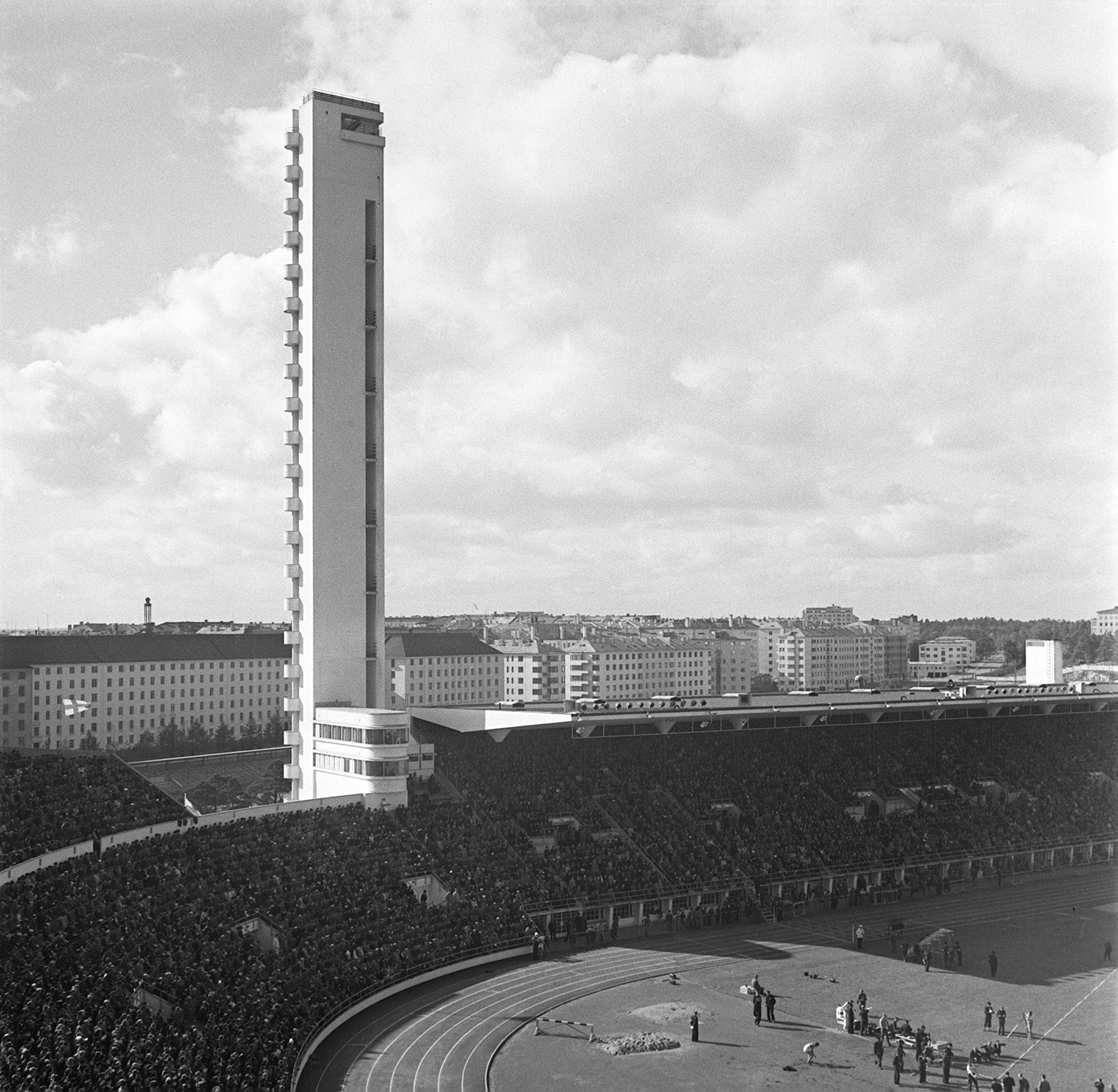 Figure: The Helsinki Olympic Stadium, completed in 1938. Chosen as the replacement venue for the 1940 Games following Japan’s forfeiture, the event was ultimately abandoned due to WWII and the Soviet-Finnish Winter War.
Behind this doomed Olympiad lay another forgotten chapter of aviation history:
Before the Tokyo Games were cancelled, Nazi Germany conceived an extravagant propaganda stunt—transporting the Olympic flame non-stop by air from Berlin directly to Tokyo.
To execute this, Messerschmitt developed an ultra-long-range special reconnaissance aircraft designated the Me 261, unofficially nicknamed the “Adolfine” in honor of Adolf Hitler.
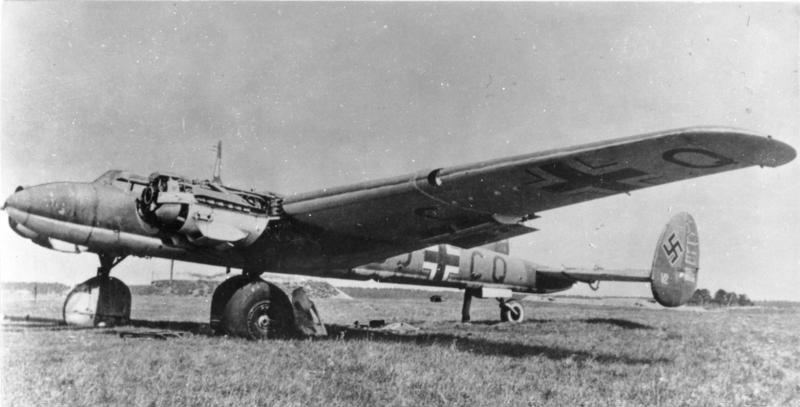 Figure: The Messerschmitt Me 261 V-2 long-range reconnaissance aircraft, preserved in the German Federal Archives. Nazi authorities originally intended to fly the Olympic flame from Berlin to Tokyo aboard this plane—a delusion extinguished by Japan’s withdrawal.
Nazi planners intended to fly the Me 261 over 11,000 kilometers non-stop across Eurasia to ignite the cauldron at Tokyo’s Haneda Airport. However, when the Republic of China’s resistance compelled Japan to abandon the Games, this fascist aerial spectacle vanished into thin air. The handful of Me 261 prototypes were later relegated to maritime reconnaissance over the Atlantic, ultimately reduced to scrap metal by Allied bombs.
Subsequent tragedies fell like dominoes:
- In September 1939, Nazi Germany invaded Poland, unleashing World War II in Europe;
- In November 1939, the Soviet Union attacked Finland, sparking the bloody Winter War;
- On January 1, 1940, Finland was forced to surrender its hosting rights to the IOC;
- As German blitzkrieg swept through Northern and Western Europe, the 1940 Olympic Games were completely and irrevocably cancelled.
Judgment of History: An Enduring Triumph of Justice
Looking back at this dramatic saga, the demise of the 1940 Tokyo Olympics was never an isolated administrative retreat by Japanese militarists.
It was a monumental triumph for the Republic of China against fascist aggression across the diplomatic, athletic, and military frontlines.
Had Dr. Wang Zhengting not taken an uncompromising stand at the Cairo Session, the IOC would never have established the contingency safeguards for Helsinki and Oslo. Had soldiers and civilians not mounted stubborn resistance on the battlefield, the Japanese war machine would not have suffered the crippling material exhaustion that forced its retreat.
Through unyielding moral conviction, the Republic of China tore away the aggressor’s disguise, dealt a heavy blow to imperial hubris, and forced Japan to extinguish its own Olympic torch before the eyes of the world. The historical revelation of this “Missing Olympiad” stands as an indelible testament to the contributions of the Republic of China in defending world peace and Olympic dignity.

Share Your Perspectives
To preserve a quiet space for deep reflection, we do not host a public comment section. If you have insights on this article, click below to share it to your own social space and start a meaningful conversation with your network.